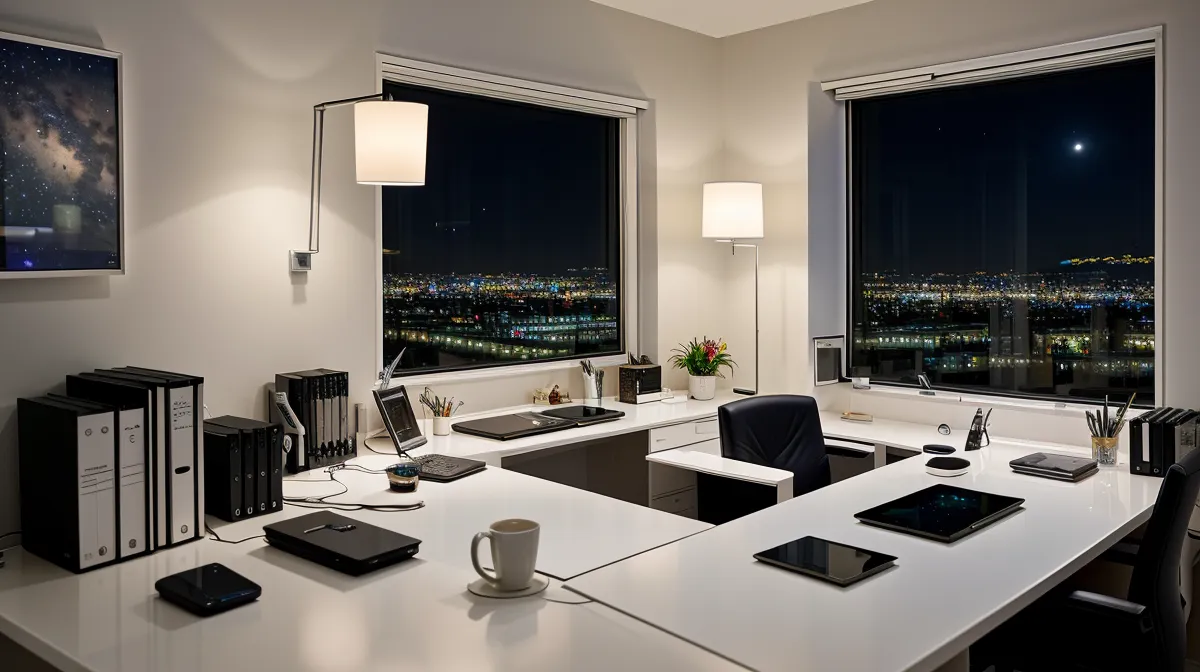
Late one evening in my Denver home office, the blue light from my dual monitors illuminated a spreadsheet that had nothing to do with my quarterly KPIs and everything to do with my birth chart. The dry, high-altitude air of Denver was making my eyes itch as I zoomed into the 10th house of my digital chart, trying to figure out why my professional life felt like a high-speed chase while everyone else seemed to be cruising in the slow lane.
Before we dive into the data, full transparency: this site uses affiliate links. If you purchase through them, I earn a commission at no extra cost to you. I only recommend astrology tools and programs I have personally used and tracked in my own spreadsheets. I’m a project manager, not a psychic, so take my patterns as personal documentation, not professional advice. Always consult a career counselor or a licensed therapist if you’re dealing with serious burnout.
Decoding the 10th House Cluster
As a project manager, I’m used to tracking variables, but discovering a four-planet stellium in my 10th house explained a career intensity I previously thought was just a personality flaw. In technical terms, a stellium occurs when you have a concentrated group of at least 3 planets in a single zodiac sign or house. When you consider that a natal chart is a complete 360-degree circle divided into 12 houses, having 4 planets crammed into one tiny slice creates a massive gravitational pull in that area of your life.
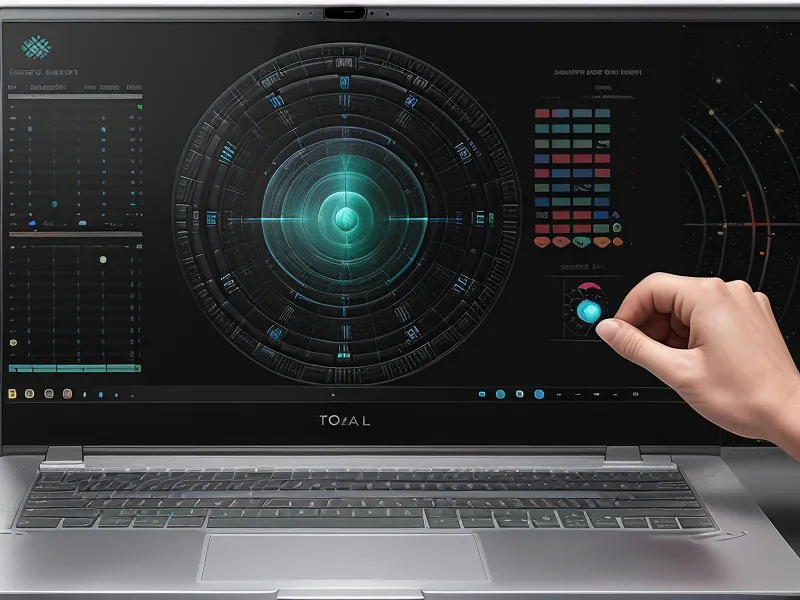
The 10th house is the Midheaven, the highest point in your chart, and it traditionally governs career, reputation, and your public standing. Most people have their planets scattered across several of the 12 houses, giving them a balanced focus. But with a stellium here, my career isn't just a part of my life; it’s a localized storm system. I spent months trying to out-hustle the stars, thinking I could just project-manage my way through the intensity, until I realized that a stellium requires a different kind of resource allocation.
The Freelancer’s Paradox: Intensity Without Boundaries
Look, I know the standard advice for managing a heavy birth chart. Most blogs tell you to 'set boundaries' or 'stick to office hours.' That’s great if you’re in a 9-to-5, but for freelancers and gig workers, those boundaries don't exist unless you manufacture them. When you have a stellium, your energy doesn't come in steady streams; it comes in tidal waves. If you’re a freelancer, you don’t have a boss to tell you to go home, which means you often ride that stellium wave until you’re completely fried.
I noticed this pattern after about six months of tracking my daily output against lunar cycles. I’d have weeks where I felt like I could rebuild the entire company infrastructure single-handedly, followed by a week where opening an email felt like lifting a boulder. This is the 'Stellium Hangover.' For those of us working for ourselves, we often mistake these natural energy ebbs for a lack of discipline. In reality, we’re just out of sync with a very concentrated planetary transit. You might find that improving your professional reputation using 10th house astrology isn't about working harder, but about working in alignment with these high-intensity windows.

The Early March Meltdown
I hit a significant wall in early March when a heavy Saturn transit collided with a major product launch I was leading. I’m sitting here with a PMP certification and a six-figure salary, yet I’m consulting a moon phase app for a budget approval. It sounds ridiculous when I say it out loud, but the data doesn't lie. I once postponed a critical stakeholder meeting because of a minor Mercury transit, only to realize the project's actual deadline had been moved up anyway. That was a moment of genuine doubt—was I using astrology to help or just to procrastinate?
The failure wasn't in the astrology; it was in my application of it. I was treating my chart like a fortune cookie rather than a risk management log. When Mars started approaching a square with my natal sun on the calendar, I’d feel a sudden, sharp tension in my shoulders. Instead of just noting the tension, I started scheduling my 'deep work' during the peaks and my administrative 'busy work' during the squares. This shift changed everything. I stopped fighting the intensity and started budgeting for it. If you're looking for a similar way to find your path, I found that finding your professional sweet spot with the Part of Fortune meaning provided a much better 'ROI' for my time than just reading daily horoscopes.
Risk Management vs. Cosmic Fortune-Telling
After about six months of tracking, I realized that my 10th house cluster was actually a competitive advantage if I treated it like a project resource. I started using tools to get more granular data. For instance, the Moon Reading video gave me a surprisingly accurate breakdown of my lunar transits that my basic spreadsheet was missing. It’s a free entry point that covers the natal chart and planetary movements, which helped me stop guessing when the next 'intensity wave' would hit.
I also began exploring how to manifest a career that actually fits this weirdly concentrated energy. I’m not talking about 'wishing' for a promotion. I’m talking about technical alignment. The Soul Manifestation program was something I picked up during a slow week this past summer, and it helped me bridge the gap between my analytical project management side and the more abstract 'soul path' stuff. It’s an affordable way to look at your birth date through a different lens, though the landing page is a bit dated—just focus on the content, which is solid. It helped me realize that my career intensity wasn't something to 'fix,' but something to direct toward specific, high-impact goals.
Natural Rhythms and the Bottom Line
By mid-August, my spreadsheet showed a clear correlation: my most profitable months weren't the ones where I worked the most hours, but the ones where I aligned my heaviest deliverables with my positive 10th house transits. I’ve learned that when you have a stellium, 'balance' is a myth. You’re built for sprints, not marathons. If you try to force a marathon pace, you’ll burn out before you even reach the Midheaven.
If you’re feeling overwhelmed by your own career chart, stop looking for a way to make it 'normal.' It’s not going to be. Instead, treat your chart like a weather report for a construction site. You wouldn't pour concrete during a thunderstorm, and you shouldn't launch a new business venture during a heavy Saturn square if you can avoid it. For those looking to manage the mental load of all this tracking, you might also look into how better brain wave patterns help manage heavy project workloads, as the mental fatigue of a stellium is very real.
A year into this experiment, I’ve realized that my stellium isn't a burden to manage, but a concentrated energy source that just needs the right schedule. I’m still the guy with the PMP and the Denver home office, but now, I don’t just track my KPIs—I track the stars that influence them. It’s not magic; it’s just more data. And in my line of work, more data is always a good thing. If you want to see where your own energy is clustered, I highly recommend starting with a personalized Moon Reading to see your chart's unique layout before you start building your own spreadsheets.