
Twelve. That's how many separate lunar transits I had usable data on by the time this turned from a casual Moon Reading review into an actual side-by-side comparison. One tracking method ran through an app, the other through a friend's paper notebook, and neither treated lunar cycles as anything more than another set of variables to log. It's the same way I'd size up two competing productivity tools before picking one for my team. This one is for the astrology-for-skeptics crowd who wants the comparison, not the sales pitch.
Quick disclosure before anything else: this site runs on affiliate links, including the one for Moon Reading below, and if you buy through it I earn a commission at no extra cost to you. I'm not an astrologer, not a therapist, and not certified in anything cosmic, just a project manager who tracks things for fun and only puts a tool in front of you after running it through my own system first.
The whole comparison started almost by accident. Moon Reading's free entry point is what got me experimenting in the first place. You punch in your birth date, time, and location, and it hands you a personalized video instead of a generic horoscope. Around that same stretch, a fellow skeptic I know from an astrology subreddit, Emmett Birch, mentioned he does the opposite: no app, no video, just transit timelines he plots on paper before he'll commit anything to a digital tool. That felt like a head-to-head worth writing up properly.
Is a Video Reading More Reliable Than a Paper Transit Chart?
That video reading covers natal chart basics, your moon sign, and the run of upcoming lunar phases in a single sitting, no scheduling required, which suited someone whose gut reaction to any astrology tool is "get to the point." If you'd rather have that reading in long-form writing instead of video, Soul Manifestation covers similar ground but reads more like a life-direction essay than a moon-specific breakdown. That's a different product answering a different question, not really a rival to either method here.
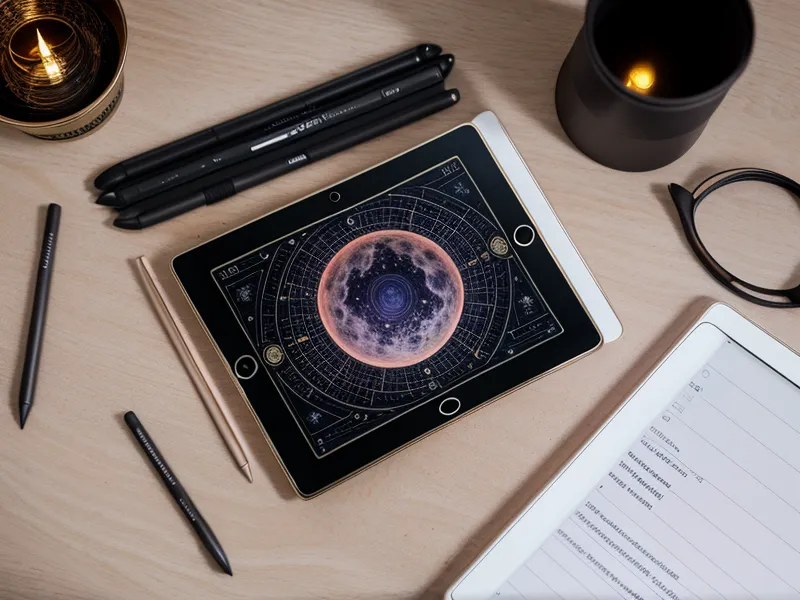
Emmett's version has none of that production value. He starts with a blank sheet, marks out the transits he expects to matter over the weeks ahead, and only opens an app once he's already formed an opinion about what should happen. Forcing himself to write the prediction down first, he says, stops him from just nodding along with whatever a slick video tells him. I don't disagree. It's the same reason I won't let a vendor's slide deck set my expectations before I've looked at the raw numbers myself.
The Real Cost of a Free Entry Point
Moon Reading's free tier is genuinely free, which is rare in a market full of soft paywalls, but the moment the video ends you're funneled toward upsells for the full report, and that funnel is aggressive. I've written before about turning a lunar spreadsheet to manage my career, and the same free-to-paid pattern shows up there. The entry point earns your trust, the deeper layer earns their revenue.
Look, Emmett's method costs nothing but time, though "nothing" is doing some work in that sentence. Sketching out a full transit timeline by hand eats a real chunk of his evening, and he still ends up cross-checking it against an app anyway, just after he's already committed to a guess. Neither approach is free in the way people mean when they say free.
For a stretch I also folded in Billionaire Brain Wave, an audio program some people in this corner of the internet swear by for dialing in focus with none of the astrology framing attached. It never earned a permanent spot in this comparison. Different tool, different question, but it's still worth mentioning for anyone chasing the productivity angle without any cosmic packaging at all.

Two Scorecards for the Same Lunar Cycles
I used to think Mercury retrograde was internet shorthand for blaming the universe for a bad wifi day. It's an explanation that explains nothing. Then a meeting I was leading fell apart in a way I still can't fully reconstruct: three people misread the same agenda three different ways, and a decision we'd already closed got reopened twenty minutes later. I checked afterward almost as a joke, and Mercury had stationed retrograde that same morning. I'm not rearranging my calendar around it, but I stopped rolling my eyes quite so hard.
Emmett and I ended up hashing out the whole video-versus-paper question on a walk around Red Rocks Amphitheatre in Morrison, which has become the closest thing either of us has to a good thinking spot once Denver traffic makes a coffee shop conversation impossible. My old college friend Celine, who's back living in Boulder these days, weighed in later with a voice note (her notes are never under ninety seconds) mostly to laugh at the idea of a grown man hand-drawing transit charts like a conspiracy board.
I covered the emotional side of all this in more depth in an earlier Moon Reading experience piece, but the paper-versus-video comparison is what actually settled things for me. Running the two scorecards side by side: of the twelve transits I tracked, nine correlated with something real in my mood or my team's dynamic, two were clean misses, and one was a wash because I was too sick to tell my moon sign from a hole in the ground. Emmett tracked the same twelve independently and landed on eight matches, one he later admitted was a hit he'd misjudged in the moment, and three he called too ambiguous to score either way. Moon Reading edges him slightly on raw hit rate, but Emmett's method catches nuance the video glosses over, mostly because he has to commit to a prediction before he ever checks it against reality.
Neither Method Explains Everything
This comparison stuck to lunar transits, not the difference between your moon sign and your sun sign, not a Saturn return timeline, and not whatever the north node is supposed to mean for your career direction. Those are separate rabbit holes for a different piece. And regardless of which method you trust more, neither replaces professional support: if you're dealing with real burnout or genuine mental health strain, a transit chart is not the tool for that job.
Pick the Method That Matches How You Work
Go with the video reading if you want synthesis without doing the legwork yourself. Birth data in, personalized narrative out, and Moon Reading's free tier means you can decide before spending a dollar. Go with the paper-timeline approach, the way Emmett runs it, if you'd rather form your own judgment before any app gets a vote. I still keep both systems running, mostly because deleting either data set at this point feels like throwing away a perfectly good spreadsheet, but if a fellow skeptic asked me where to start, it's the free video first. You can always layer a paper method on top once you know what you're actually tracking.